
RACHEL AI: Offline Semantic Search
Students type a natural question and get relevant results from across all their content — ZIMs, HTML modules, Kolibri channels, user-uploaded materials — grouped by source, ranked by relevance. It understands meaning, not just keywords. Runs entirely on the device, no internet needed. Thanks to you, we reached our goal — AI versions of every RACHEL model are coming soon.
▶ Watch the prototype demo🎉 Try RACHEL AI in English Now! 🚀
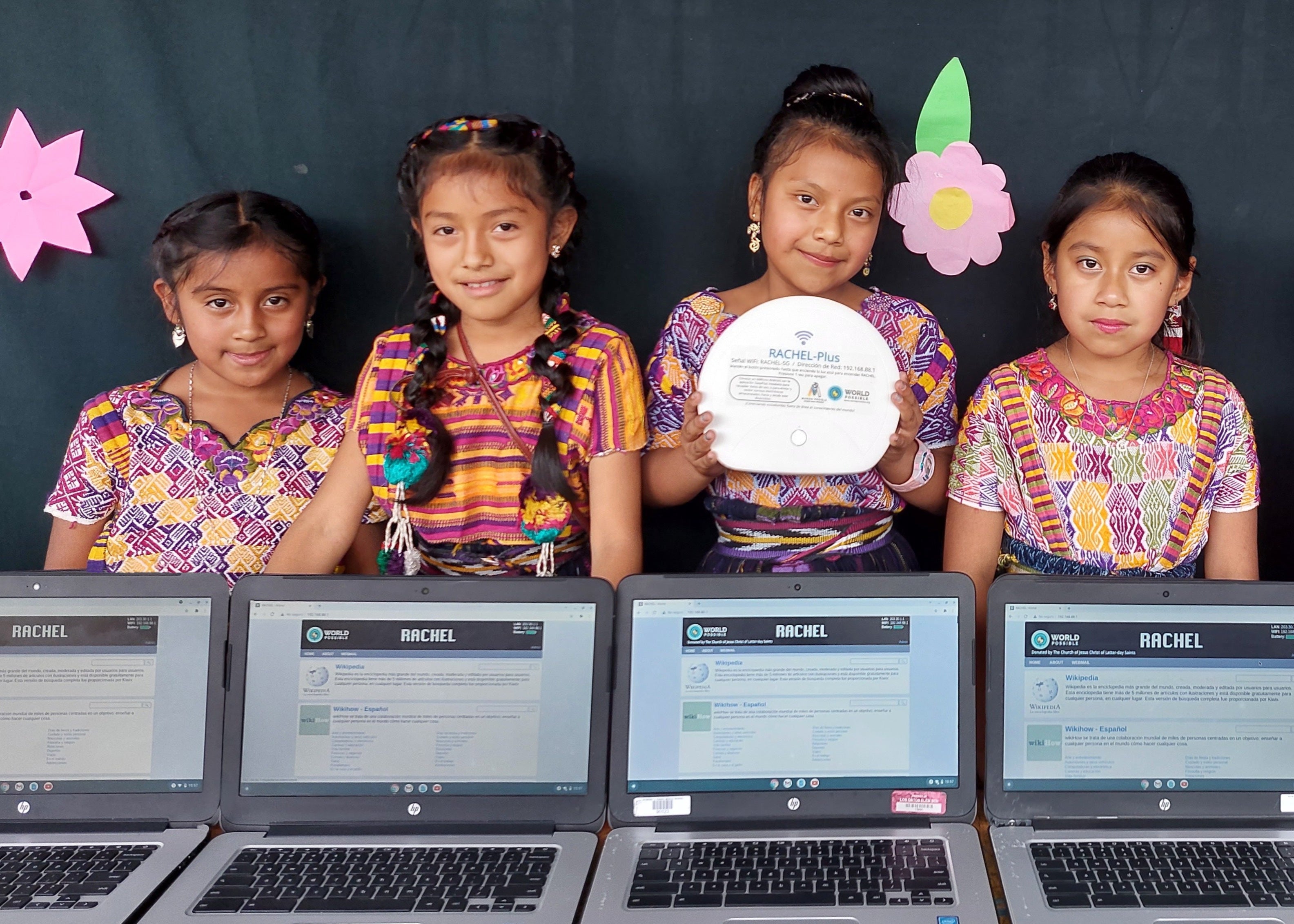
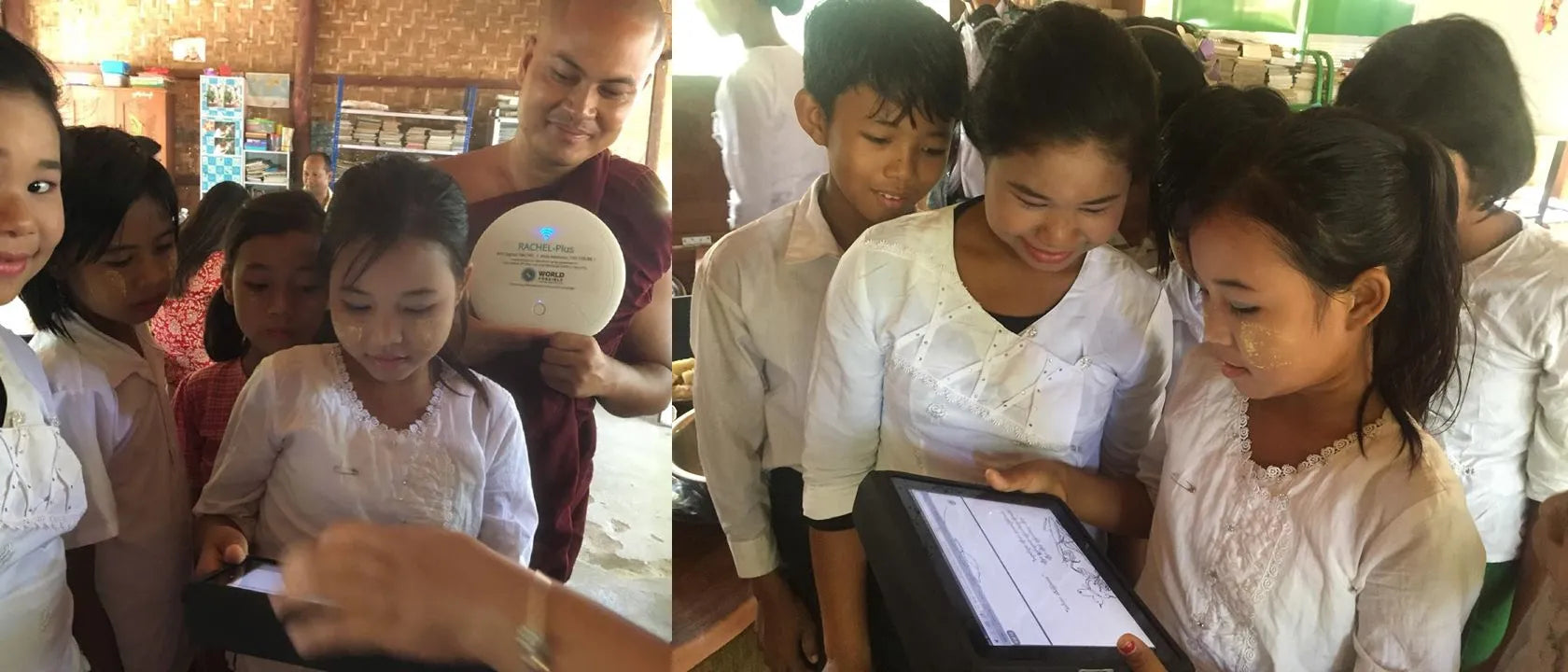
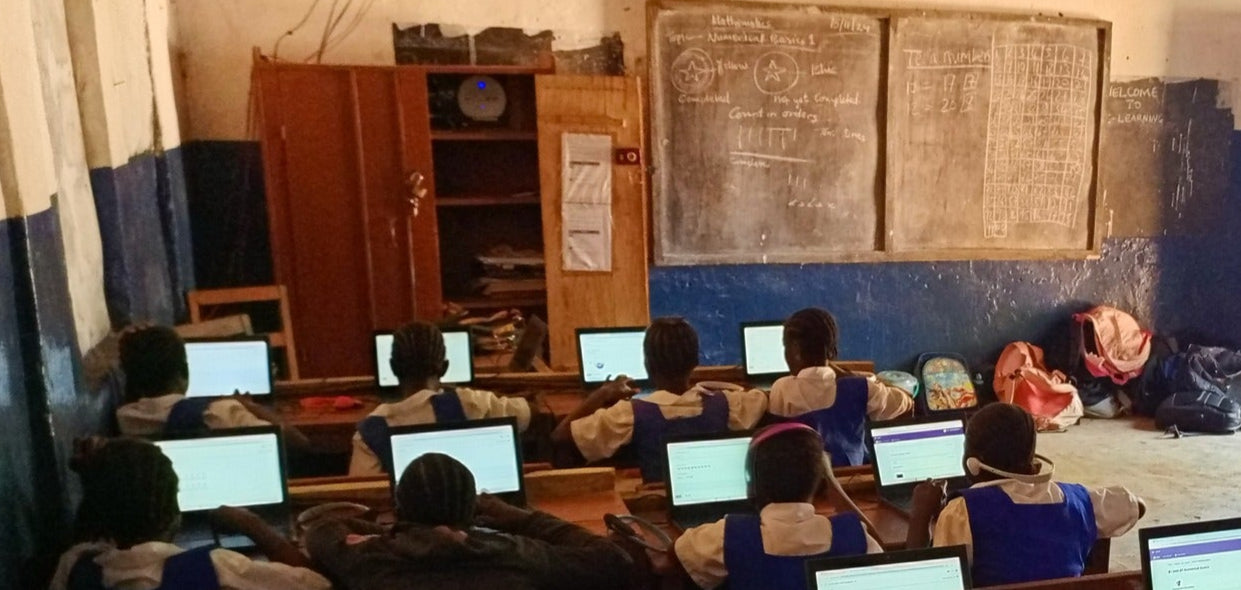
RACHEL Deployments (Checking In) From Around the World
Real schools, real impact — featuring community-uploaded photos from active RACHEL devices
Global RACHEL Impact Data
Per-RACHEL Impact Data over Time
RACHEL AI (RACHEL 6) Overview
Chapters
- 0:00 Introduction to RACHEL 6 / RACHEL AI
- 0:37 Powering On the Device
- 1:15 New Hardware: 8GB RAM & Ubuntu 24
- 1:51 Connecting to the RACHEL Wi-Fi Signal
- 2:51 Accessing the RACHEL Homepage
- 3:24 AI-Powered Natural Language Search
- 4:36 Local Content Creation & Discovery
- 6:01 Content Management Portal
- 6:33 Building a Custom Module
- 7:33 Syncing Modules from the Repository
- 8:14 Turn It In & Assignment Submission
- 8:43 Kolibri & Educational Channels
- 9:07 Content Library: Wikipedia, Moodle & More
- 9:32 Ask-a-Question Discovery Tool
- 10:05 DataPost: Online Profile & Live Map
- 10:59 DataPost Analytics & Device Tracking
- 12:30 Fundraising for Spanish & Other Variants
- 12:44 Battery Life & Offline Content Model
- 13:32 Expanding Wi-Fi with Portable Routers
- 14:14 Closing Thoughts

RACHEL AI
RACHEL AI
Our newest device, RACHEL 6, with 8GB of RAM and onboard AI. Search all of your offline content in natural language and get instant, relevant results — no internet required.

RACHEL 5
RACHEL 5
Our proven, field-tested offline learning server. A reliable, affordable way to deliver a full library of educational content to any community without internet access.
Deployment Support
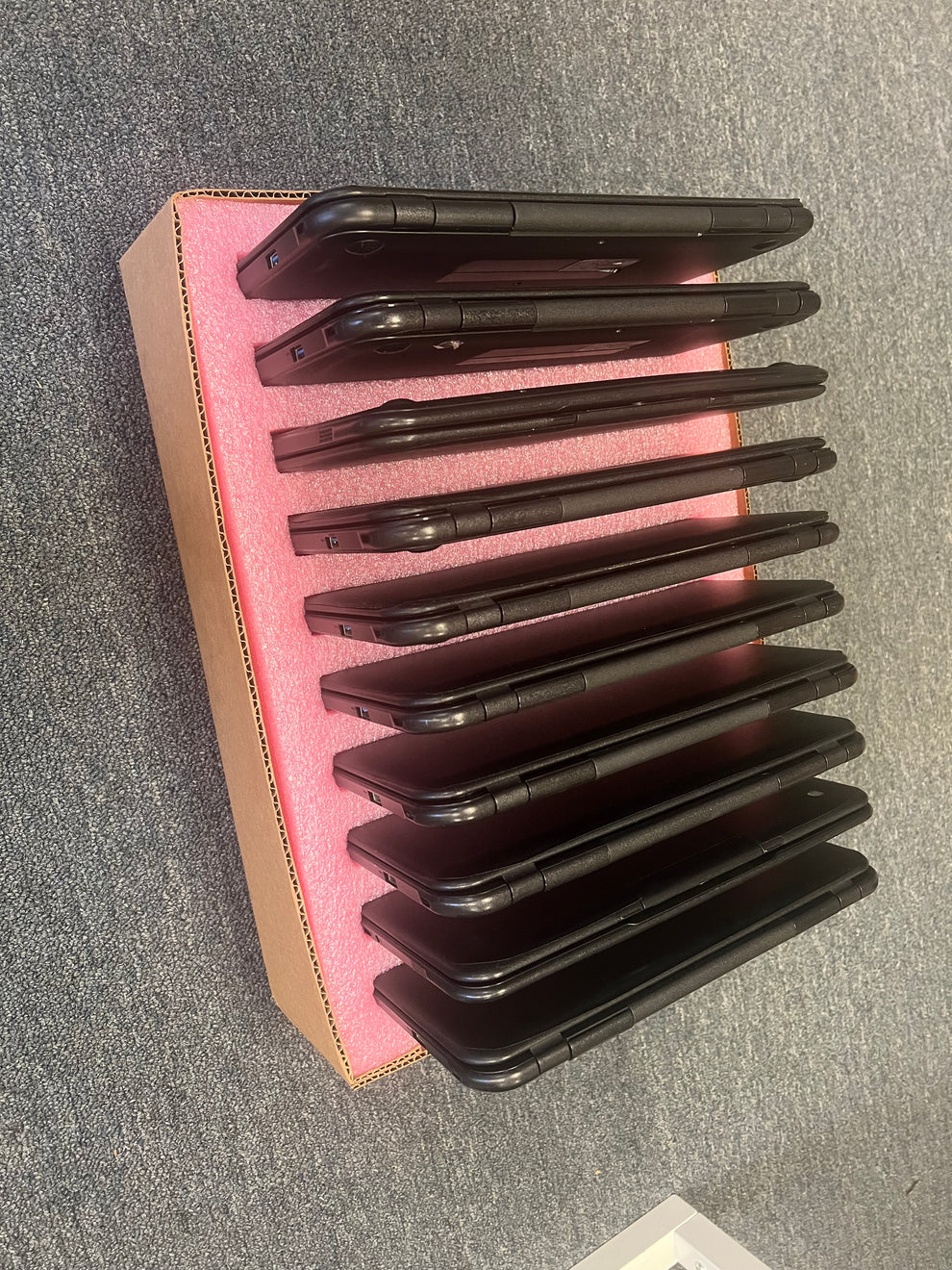
10-pack laptops
Refurbished chromebooks sourced from United States school districts which have reached end-of-US supported lifespan available at great rates
Deployment Support
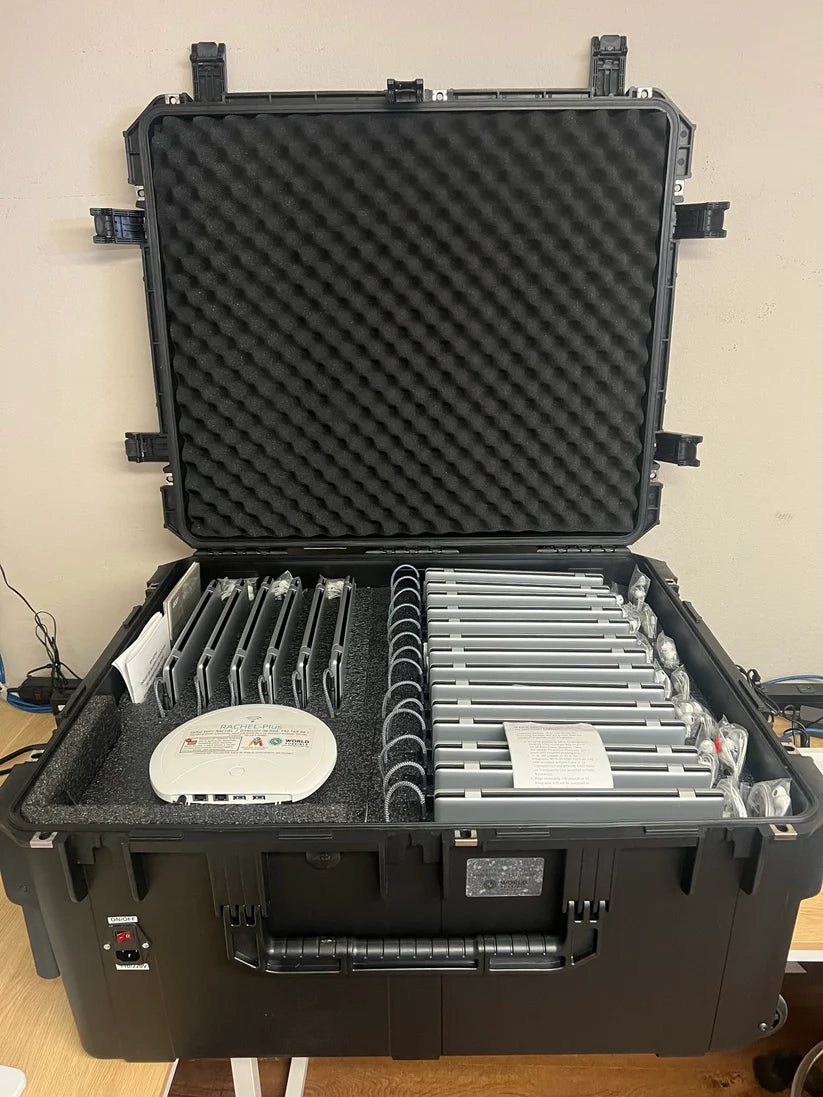
Laptop charging box
A custom-built ready to deploy box of RACHEL and accompanying new laptop devices. Can be charged with a single cable and travelled with
Deployment Support
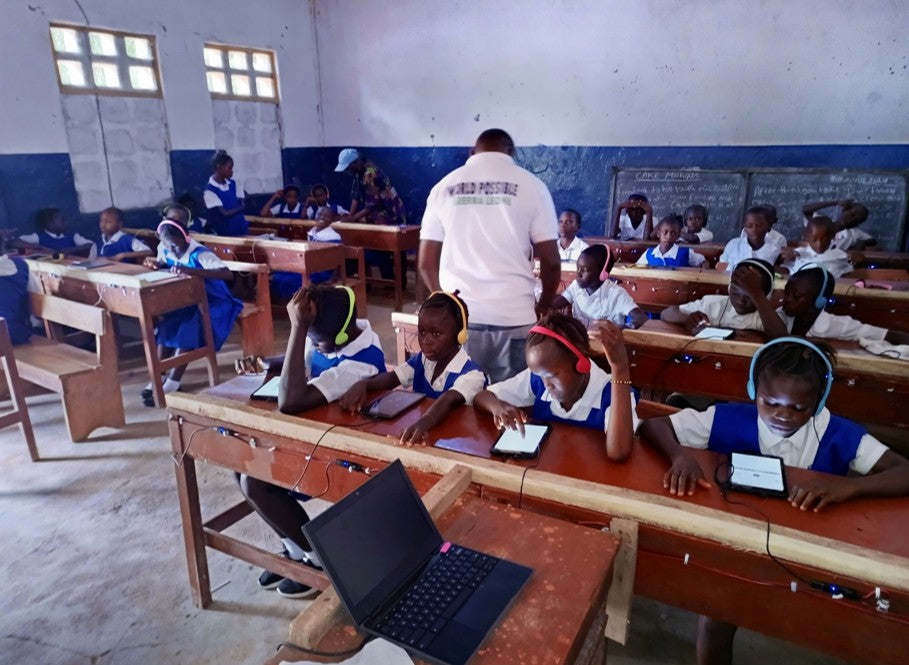
Teacher Training
Our World Possible team will travel to you and your community to deliver best in class training support for your RACHEL deployments worldwide